The aroma of rich coffee wafts through the air as Xolile Malindi leans behind the counter of House of Machines, a hip café in the heart of Cape Town. Opposite him, a young customer approaches the bar, taking his wallet out to pay for his double espresso made of organic Arabica beans.
"Have you ever heard of this program called the SnapScan?" Malindi, who is the coffee shop's day manager, asks quickly. "You pay with your phone," he continues. "A lot of places are using it in Cape Town -- it's quite amazing."
House of Machines is just one of dozens of stores here where customers can find SnapScan, an award-winning new digital mobile payment method developed in South Africa. The smartphone app, which is free to download, allows buyers to pay for goods using their phone, without having to worry about carrying cash or credit cards.
How it works
Each SnapScan-connected store has a unique code that is linked to their bank account.
When customers want to pay, they can scan the code with their SnapScan smartphone app, which then brings up the store where they are making the purchase.
"All you do is you type in the amount and punch in the PIN and press send and it's gone -- it's all done," explains Malindi. "You've got your secret code (four-digit PIN), so if your phone goes missing for example, you don't have to worry about people using your phone," he adds.
The transaction is complete with SnapScan charging the customer's debit or credit card for the amount they are paying -- similar to a normal card payment.
Cutting-edge
Using your phone to pay for goods and services is nothing new in Africa, a continent where there are more than 720 mobile phones. Services such as M-Pesa, the revolutionary Kenyan mobile payment system that allows people to bypass banks and pay bills, withdraw salaries and transfer cash electronically, have transformed the way people and business operateMeanwhile, Africa's smartphone market is expected to double over the following four years -- at the moment, South Africa is reportedly the biggest smartphone market in sub-Saharan Africa, with a 19% penetration.
And as smartphones increase, the paying methods are also becoming smarter.
"If you look at mobile payments specifically, Africa is actually one of the leaders in this space," says Kobus Ehlers, co-founder of the SnapScan app. "SnapScan was developed in South Africa for the African market, so we try to find really local and relevant solutions and I think it's going to get a massive uptake," he adds.
"Technology in general is going to get a massive uptake in Africa as we don't have those legacy systems," continues Ehlers. "People aren't used to using credit cards for example, they can skip right ahead and start using cutting-edge payment technology."
Cashless society
Right now, SnapScan is only available at formal merchants but the hope is that the e-currency could flow from the phones of customers to the accounts of informal merchants too. It can even be used to send remittances.
Ehlers says that the hope of a cashless society is possible for Africa.
"Quite a large portion of people have access to a smartphone and by leveraging that technology we can provide payments that were previously impossible," he says. "That really is an empowering thing for most people in Africa who haven't got access to formal infrastructure to provide those services."
John Campbell heads up the Beyond Payments division of Standard Bank, which partners with innovators such as SnapScan to create banking solutions. He says that lack of traditional infrastructure often leads to creative solutions.
"In other territories where that infrastructure was not available, that infrastructure has been leapfrogged by the use of mobile," explains Campbell. "M-Pesa in Kenya is a good example of that, where money goes straight to your mobile -- your mobile number almost becomes your account number, that's effectively what happens."Back in the House of Machines, Malindi keeps on introducing the new payment method to his customers.
"It's way better as opposed to using your credit card or cash," he says, adding that he was surprised to find out that SnapScan was a tech company that started in South Africa.
"I thought it's one of the things that we get from overseas," says Malindi. "When I found out this is African-launched I was 'wow, here we go Africa, here we come, we're rocking the world!'"
 For all the popularity of fingerprint scanners, Fujitsu believes that it can go one better. The Japanese company has been working on palm-based systems for the last few years, and we've already seen turnstiles, wallets and tablets that are accessed from your hand. Fujitsu believes that palm vein sensing is around a thousand times more secure than conventional biometric methods and it's implementing the technology in its next range of business-focused laptops due out this week. We've been shown around some of these models, which have the new sensor fitted into an area that is roughly the same size and position as the company's existing fingerprint scanners, just below the bottom right corner of the keyboard. Using it is simple: Hold your hand a few inches above the sensor and the hardware will quickly scan the unique arrangement of your veins. If it judges you to be the real deal, it'll open up its secrets for your enjoyment.
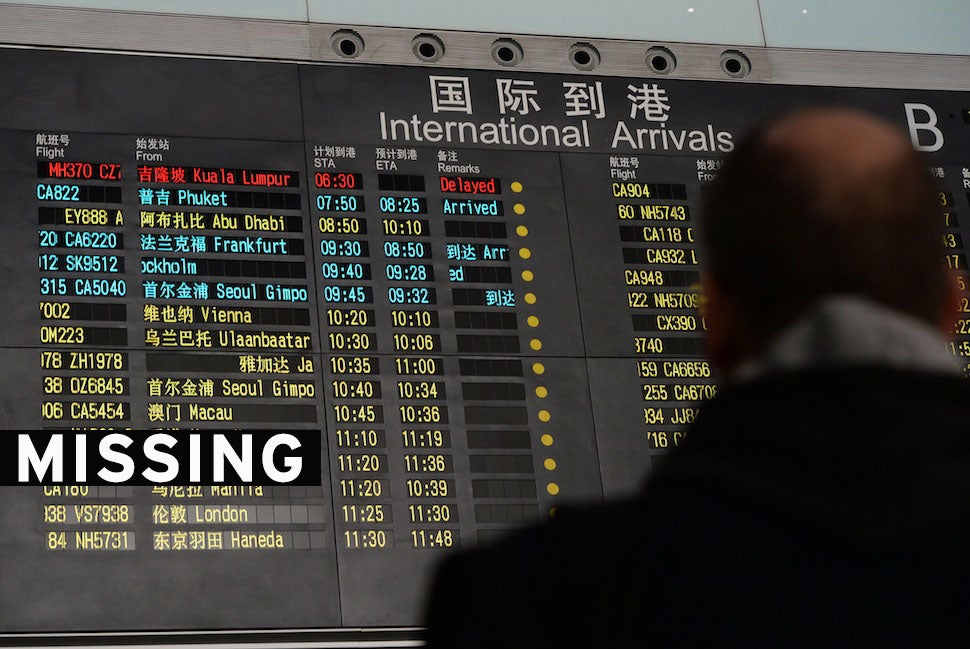 Friday afternoon, at about 1:40 pm EST, a passenger jet flying from Kuala Lumpur to Beijing disappeared from radar screens and lost radio contact with air traffic control. Malaysia Airlines Flight 370, which was scheduled to land four hours later, was carrying 227 passengers, including two infants, and 12 crew members.
 There have been leaks showing the front of the
 After the
 How do you solve the problem of choking road traffic in one of the world's bustling megacities? You bring in the robot cops.
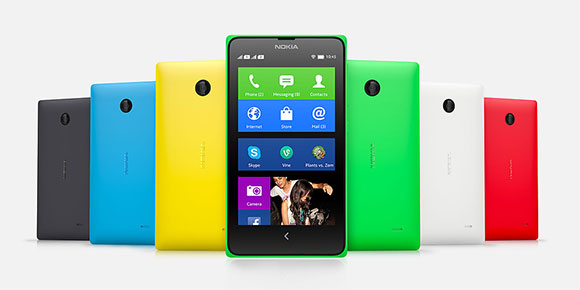 Nokia is officially launching its very first Android devices, known as the X and the X+, on stage at its annual Mobile World Congress press conference. We were all taken aback by the second ( and third) device (since only one leaked), but either way it's still incredible to see Nokia take this particular approach. The X will have a 4-inch, 840 x 480 IPS screen, 512MB RAM, 4GB of storage expandable storage via microSD slot and 3-megapixel camera, while the X+ sports the same specs but more RAM (768 MB) and an included 4GB microSD card.
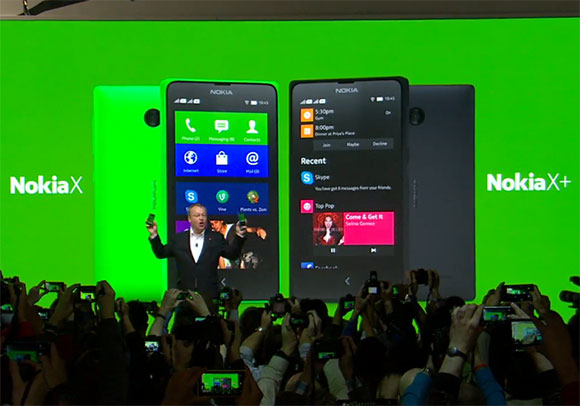 You won't be getting Google's apps or Play store, however as both handsets will be based on the forked AOSP Android OS. Nokia says that'll have the advantages of the Android ecosystem, but with a "differentiated experience." So far,Here Maps, MixRadio, Skype and Outlook are being featured on the Nokia Store.You can access the Nokia and third party stores using the devices, but not Google Play, obviously. We've heard SwiftKey will be available on the Nokia X range, as will BBM, which is also coming to Windows Phone sometime "this summer."
 I thought it was just me but apparently it's a worldwide problem. It's been down for a few hours now causing mass hysteria (jk). So to avoid any confusion and